
How Warrant Orders Begin in Tate County
A warrant is a signed court order. It tells law enforcement to arrest a named person or to search a place. In Tate County, judges sign these orders. Justice Court judges sign arrest warrants and search warrants, set bond, and hold preliminary hearings in felony cases. Circuit Court handles felony matters and can flag a case with a bench warrant or a capias when a defendant misses a required step. The Senatobia and Coldwater Municipal Courts can issue city bench warrants for missed city court dates. Deputies from the Sheriff's Office then serve the warrant and make the arrest. The Mississippi Rules of Criminal Procedure govern how these warrants, initial appearances, and bond decisions work.
No single county website lists every open warrant by name. That point matters for anyone trying to look up a warrant fast. Warrant facts are spread across the court that signed the order, the Sheriff's Office that serves it, and the jail roster that shows holds after an arrest. The sheriff also runs a Most Wanted feed for a small number of sought people. Because there is no one search box, the smart path is to call the right office and ask direct questions.
Note: An active warrant can exist without ever appearing online, so a clean web search does not prove that no warrant is open.
Types of Warrants in Tate County
Mississippi courts issue several kinds of warrants, and each one means something different. The charge type, the court, and the stage of the case all shape which order is used. Knowing the label helps a person ask the issuing office the right question.
- Arrest warrant - signed by a judge on probable cause, it directs officers to arrest a named person for a specific charge.
- Bench warrant - issued by a judge from the bench when someone misses court, ignores an order, or breaks a court condition.
- Capias - a writ ordering arrest, often after a failure to appear or a failure to pay in a filed case.
- Search warrant - authorizes officers to search a described place or item for evidence, signed on a sworn affidavit.
- Foreign warrant - an out-of-county or out-of-state warrant that local deputies may act on when the person is found here.
- Writ to take custody - a court order directing officers to take a named person into custody, seen in some jail charge entries.
These labels show up in Tate County court flags and jail charge descriptions, with wording such as bench warrant issued, capias pending, warrant, foreign warrant, and writ order.
How to Check for a Tate County Warrant
Checking for a Tate County warrant means working through a short chain of offices. Start with the office most likely to hold the record, then move outward. For most people the Sheriff's Office is the first call. When the charge is already known, the court that handles that charge type is the better first stop.
Call the Sheriff's Office at 662-562-4434 during business hours, or reach Dispatch at 662-560-5692, which staffs a 24-hour non-emergency line. For an emergency, call 911 rather than a records line. Deputies can confirm whether a warrant is on file and explain how it will be served. The official Tate County Sheriff's Office site and app also carry the Most Wanted feed and a tip form.
The jail roster is the next online check. After an arrest, the booking record can list warrant-related holds, with charge text such as warrant, foreign warrant, writ to take custody, contempt, or failure to appear. The roster shows people already booked, so it will not reveal a warrant that has not yet led to an arrest. A closer look at booking detail and charges sits in the Tate County inmate records.
When the charge is known, go straight to the court. Justice Court at 103 Preston McKay Drive handles county misdemeanors, county and Highway Patrol traffic, and preliminary matters; its number is 662-562-7626. Felony bench warrants and capias flags move through Circuit Court and the 17th Circuit District case system. City citations route to Senatobia or Coldwater Municipal Court. The City of Senatobia directory lists current municipal court contacts and other city offices that field warrant questions.
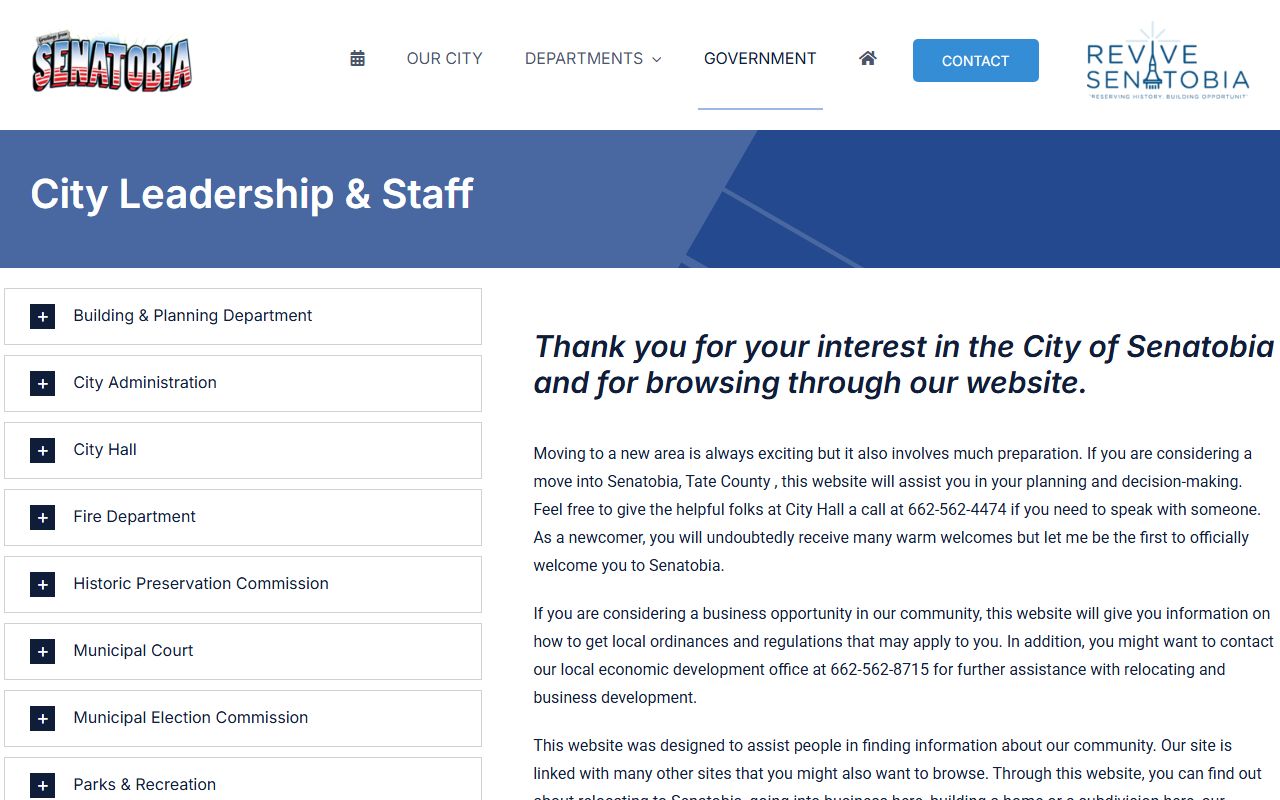
That directory points city residents to the right clerk when a warrant ties back to a Senatobia citation. For county records that are not posted online, a written public information request can be filed with the Chancery Clerk, though active investigation files, sealed warrants, and juvenile matters stay closed.
Tate County Warrant Search Fields
There is no single warrant search form with name and date-of-birth boxes. Instead, several official tools each touch warrant information in a different way. The table below shows what each channel asks for and what it returns. None of them replaces a direct call to the issuing court.
| Field Label | Type | Required | Notes |
|---|---|---|---|
| Most Wanted | Feed / list | No | No search box; the sheriff app shows wanted posts as a list, not a name lookup. |
| Inmate Roster Search | Text | Optional | Filters booked inmates by name; reveals warrant-related holds only after an arrest. |
| Submit A Tip | Form | Tip details required | Tip text and incident time or date are required; name, email, and phone are optional. |
| Court / PAMEC case search | Account login | Account required | Full search fields sit behind a paid login; used to find warrant flags in filed cases. |
The Submit A Tip form on the sheriff app warns that it is for information about an ongoing investigation, not for reporting a crime in progress. Anyone with an emergency should call 911. A tip can help locate a wanted person, but it does not return a person's warrant status.
What a Tate County Warrant Record Shows
The clearest published warrant-style record in the county is the sheriff Most Wanted post. One active post names a man wanted in a decades-old kidnapping and rape case, lists an FBI reward, and warns that he is considered armed and dangerous. Each post is built from a fixed set of fields, shown below.
- Internal ID
- The unique record number the sheriff system assigns to each wanted post.
- Creator
- The account or system that published the entry, often listed as the system itself.
- Date
- The timestamp showing when the post was created or last changed.
- Title
- The wanted person's name as published in the feed.
- Content
- The narrative text, such as the charge, the date of the offense, any reward, and a danger warning.
- BlogID
- The feed source code that ties the post to the sheriff Most Wanted channel.
- Images
- Small and large photo links, or a placeholder when no photo is posted.
- Status
- A flag marking whether the post is active or archived.
A warrant flag inside a filed court case shows different fields. Circuit Court records can carry markers like bench warrant issued, bench warrant returned, and capias pending. Those flags, plus the charge and any bond, live with the full criminal case file in the Tate County criminal court records.
What to Do About an Outstanding Warrant
Finding out about an open warrant is stressful, but a calm, ordered plan helps. The goal is to reach the right court, learn the bond, and avoid a surprise arrest. Acting quickly also keeps the matter from growing.
- Do not assume you are clear because your name is not on the jail roster; the roster only shows people already booked.
- Call the issuing court first when you know it: Justice Court for county tickets, misdemeanors, and preliminary matters; a municipal court for city citations; or Circuit Court for a felony capias or bench warrant.
- Ask whether the warrant is active, whether bond is set, whether a court date can be scheduled, and which payment methods the court accepts.
- Speak with a lawyer before appearing if the matter involves a felony, a no-bond hold, domestic violence, a protection order, or an out-of-state hold.
- Coordinate any surrender with the Sheriff's Office and the jail, and bring valid identification.
- After payment, dismissal, recall, or a court appearance, ask the court how soon the recall clears from court and law enforcement systems.
Important: Talking with a lawyer before you turn yourself in can protect your rights, especially when a felony charge, a no-bond hold, or a warrant from another county is involved.
City Bench Warrants in Senatobia and Coldwater
City courts handle their own warrants. When a person misses a Senatobia or Coldwater municipal court date, the city judge can issue a bench warrant for that citation. These warrants stay with the city court, not the county Justice Court, so the city clerk is the right contact.
Senatobia Municipal Court sits at 131 North Front Street and can be reached at 662-562-5057. The city explains where court meets in its municipal court location FAQ.
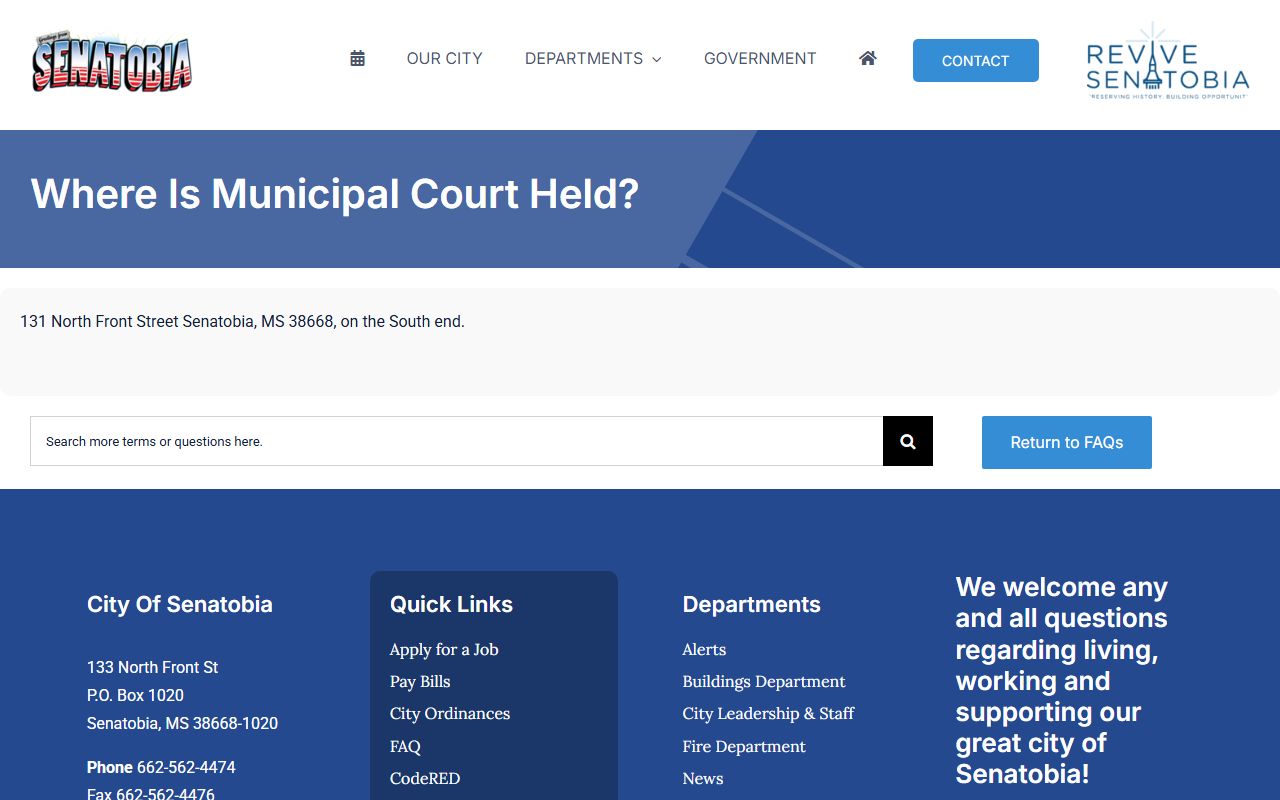
Anyone clearing a Senatobia bench warrant reports to that same court address. Coldwater Municipal Court meets at 444 Court Street on the second Thursday of each month at 9:00 a.m., and its deputy clerk answers at 662-622-7241. Many eligible fines can be paid online at msezpay.com, but paying a fine before court enters a guilty plea, so a person facing a city warrant should confirm the right step before sending money.
Local office hours matter when a clerk is the only person who can answer a warrant question. The Mississippi Municipal League page for Coldwater confirms the town hall address and business hours.
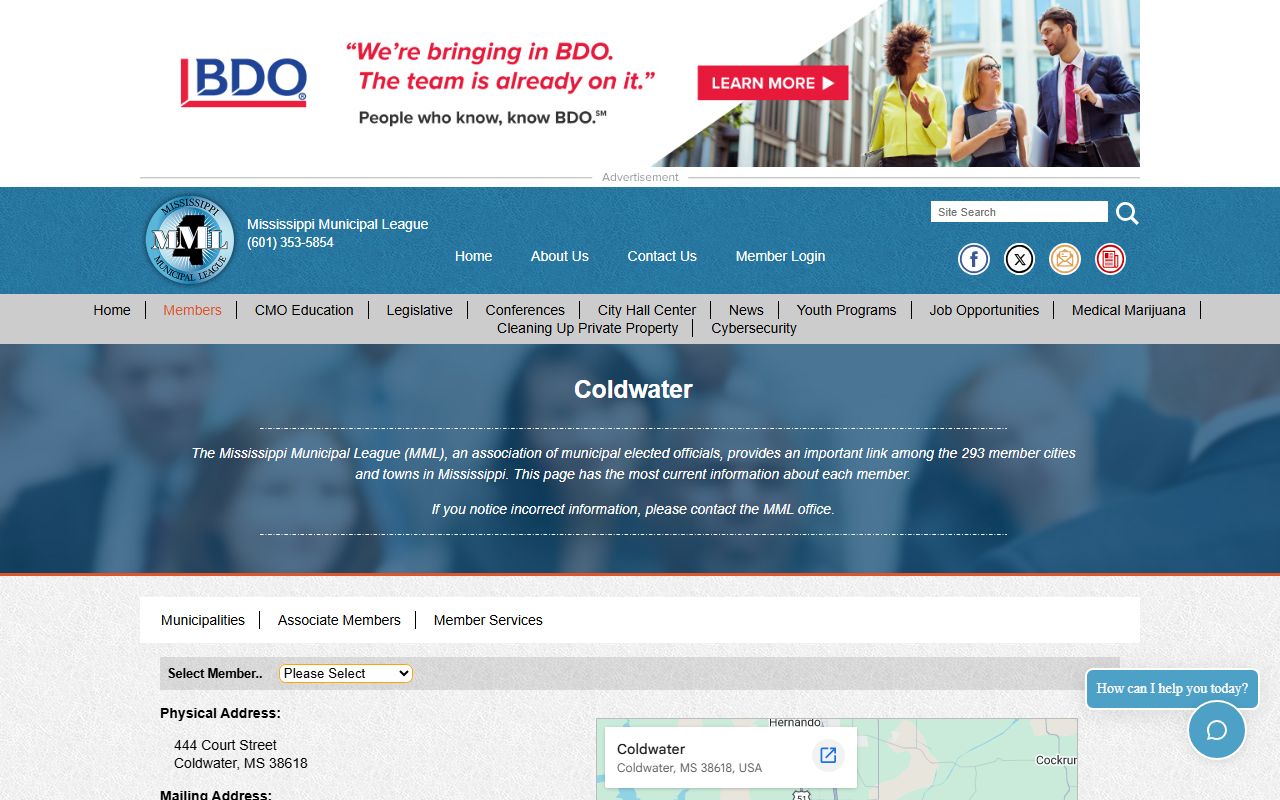
Those posted hours are when a Coldwater clerk can answer a question about a standing city warrant. Calling ahead confirms the court date, the bond, and the payment rules before anyone makes the drive.
Restricted Tate County Warrant Records
Not every warrant is open to public view. Mississippi law and court practice keep some orders out of ordinary searches. The reason is usually an active case, a sensitive subject, or a protected person.
Sealed warrants stay hidden so a suspect does not learn about an arrest or search before officers act. Search warrants tied to an open investigation may not be released until the work is done. Juvenile warrants and youth court matters are confidential under Mississippi Code Section 43-21-261 and do not appear in public case searches. Federal warrants run through federal courts and agencies, not the county system.
Expunged cases also drop out of public access. Under Mississippi Code Section 99-19-71, qualifying arrests, dismissals, and certain convictions can be removed by court order, so a recalled or expunged warrant should not surface in a normal clerk search.
Note: A public search that returns nothing does not always mean a person is clear, because sealed, juvenile, and expunged warrant records are closed by law.